
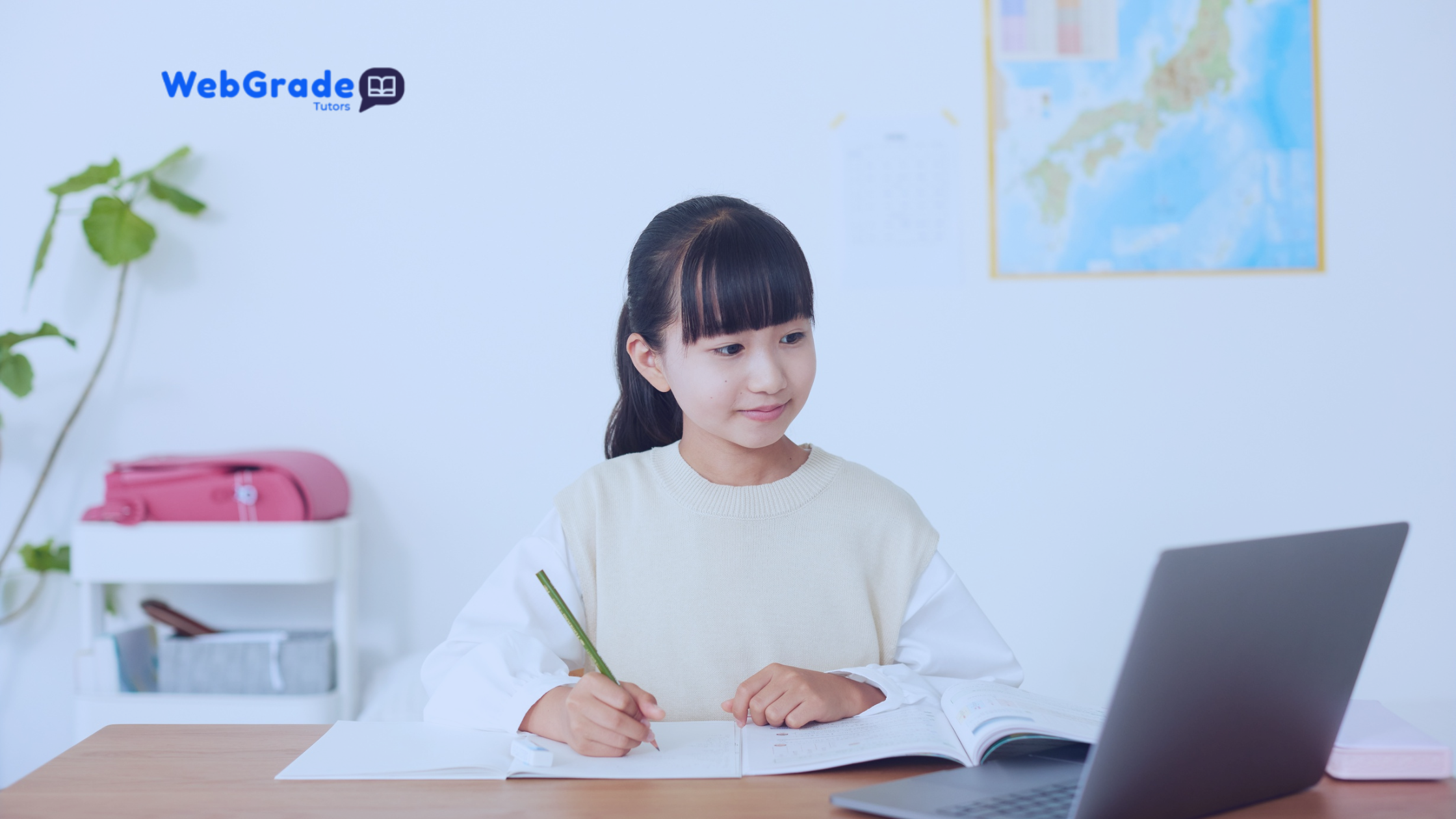
Building Academic Resilience in Children with Online Tutoring
Why Today’s Children Need Academic Resilience More Than Ever
Education in 2026 looks nothing like the classrooms most parents remember. In today’s digital era, Building Academic Resilience in Children with Online Tutoring is becoming essential for student success. Lessons are now a mix of AI-driven platforms, virtual reality modules, and hybrid classrooms that shift between home and school environments. In this rapidly evolving system, children are not only expected to learn faster but also adapt constantly.
This is where the idea of Building Academic Resilience in Children with Online Tutoring becomes essential. It is no longer just about scoring high marks—it is about staying mentally steady when the learning system itself keeps changing.
Many students today understand concepts well but struggle when the format of learning changes unexpectedly. A child may perform confidently in traditional exercises but freeze when an AI tutor changes difficulty levels or when a new problem-solving pattern is introduced.
Academic resilience is the skill that helps children stay calm, adjust strategies, and continue learning even when they feel challenged or uncertain.
Problem Identification – The Hidden Stress in Modern Learning
One major reason for stress is the lack of focus on Building Academic Resilience in Children with Online Tutoring.
Without Building Academic Resilience in Children with Online Tutoring, students struggle with adaptive learning systems..
Key challenges include:
- Sudden shifts in curriculum difficulty
- Over-dependence on digital learning tools
- Reduced attention span due to screen-heavy education
- Fear of making mistakes in adaptive assessments
This is why Building Academic Resilience in Children with Online Tutoring is becoming a priority for educators and parents alike. Private Online tutoring helps bridge the emotional gap by offering structured support, human interaction, and consistent feedback.
For example, platforms like Khan Academy and BBC Bitesize show how guided digital learning reduces confusion when paired with structured practice.
Foundation Building – Strengthening Learning Habits from the Ground Up
Before children can become resilient learners, they need strong foundational habits. Academic resilience does not develop overnight; it is built through consistent routines and supportive learning environments. Teachers and parents play a key role in Building Academic Resilience in Children with Online Tutoring at home.
A strong base for Building Academic Resilience in Children with Online Tutoring starts with structured learning habits.
Structured Learning Routines
Children benefit from predictable study schedules. When learning becomes routine, it reduces anxiety and builds confidence. A structured approach also helps students manage workload more effectively.
Learning Through Mistakes
One of the most powerful methods of developing resilience is normalizing mistakes. Instead of avoiding errors, students should be encouraged to analyze them.
This approach transforms failure into a learning tool rather than a source of fear. Personalization is central to Building Academic Resilience in Children with Online Tutoring.
Guided Practice and Reinforcement
Online tutoring platforms reinforce concepts through repetition, quizzes, and interactive exercises. Tools like Quizlet and Edutopia demonstrate how repetition improves long-term retention.
Learning Style Differentiation – Why Every Child Learns Differently
A major reason students struggle academically is that traditional systems often treat all learners the same. In reality, every child has a unique learning style.
Some children are visual learners who understand better through diagrams and videos. Others are kinesthetic learners who need hands-on interaction. Some prefer listening and verbal explanations.
Personalization Through Online Tutoring
Modern online tutoring systems use adaptive learning technology to adjust teaching styles based on student behavior. This personalization ensures that children remain engaged and less frustrated.
AI and Human Balance in Learning
AI tools provide instant feedback, but human tutors provide emotional understanding. This combination helps students stay motivated and confident.
Resources like National Geographic Kids learning guides show how different formats improve engagement.
Building Confidence Through Adaptation
When children understand how they learn best, they develop independence. This independence is a key component of academic resilience because it reduces reliance on external help.
Real-World Applications – Turning Learning Into Everyday Strength
Academic resilience is not just a classroom concept—it applies to everyday life. Children who develop this skill perform better not only in exams but also in problem-solving situations.
Handling Difficult Problems
When faced with a challenging question, resilient learners do not give up. Instead, they try different strategies until they find a solution.
Applying Knowledge in Real Situations
Platforms like UNESCO education resources highlight the importance of real-world application in learning. Students retain knowledge better when they see its practical use.
Peer Learning and Collaboration
Online tutoring often includes group sessions where students learn from each other. This builds communication skills and reduces fear of mistakes.
Assessment & Progress – Rethinking How Success is Measured
Traditional education focuses heavily on grades. However, modern learning systems measure progress in multiple ways, including adaptability, consistency, and problem-solving ability.
Online tutoring systems provide real-time analytics that help parents and students track improvement over time.
Continuous Feedback Loops
Instead of waiting for exams, students receive instant feedback. This helps them correct mistakes quickly and improve continuously.
Measuring Growth, Not Just Scores
Progress tracking tools measure how much a student has improved over time, not just final results.
Reducing Exam Anxiety
When students understand that learning is continuous, they experience less pressure during exams.
WebGrade Solution – Supporting Academic Growth Through Online Tutoring
At WebGrade Tutors, Building Academic Resilience in Children with Online Tutoring is the core teaching goal.
Online tutoring is designed to support both academic performance and emotional development. Students are guided through structured lessons, problem-solving exercises, and confidence-building activities. Every session supports Building Academic Resilience in Children with Online Tutoring through mentorship and feedback.
Personalized Learning Support
Every student receives tailored instruction based on their strengths and weaknesses. This ensures that no learner is left behind. Parents looking for guided academic improvement can explore, we are offering a risk-free way to experience 1-on-1 tutoring support.
Mentor-Led Sessions
Tutors act as mentors, not just instructors. They help students develop strategies for managing stress and improving focus.
Building Long-Term Confidence
The goal is not just to prepare students for exams but to prepare them for lifelong learning success.
How Parents Can Strengthen Resilience at Home
Parents play a crucial role in shaping a child’s learning mindset. Small changes at home can significantly improve academic resilience.
Encourage Effort Over Results
Instead of focusing only on grades, parents should praise effort, consistency, and improvement.
Create a Calm Study Environment
A distraction-free environment helps children focus better and reduces stress.
Stay Involved in Learning
Even simple actions like reviewing homework or discussing lessons can improve confidence.
Conclusion
Education will continue to evolve, but one thing remains constant: the need for resilient learners.
When children develop adaptability, emotional control, and problem-solving skills, they are better prepared for any academic system.
Online tutoring plays a key role in this transformation by offering structured guidance, personalized learning, and emotional support.
Academic success in 2026 is no longer defined by memorization—it is defined by resilience, adaptability, and confidence.
Parents who invest in these skills today are preparing their children not just for exams, but for life.
Frequently Asked Questions (FAQ)
1. What is academic resilience in children?
Academic resilience is a child’s ability to stay confident, calm, and focused when facing academic challenges, changing learning systems, or difficult subjects. It helps students adapt instead of giving up.
2. How does online tutoring improve academic resilience?
Online tutoring supports academic resilience by providing personalized guidance, instant feedback, and structured learning. It helps children understand mistakes without fear and builds consistent learning habits over time.
3. Can online tutoring reduce exam stress in children?
Yes. Online tutoring reduces exam stress by breaking learning into manageable steps, offering practice-based learning, and helping students build confidence through repetition and guided support.
4. What age group benefits most from building academic resilience?
Children from early primary school to higher secondary levels benefit greatly. The earlier resilience is developed, the easier it becomes for students to handle complex academic challenges later.
5. How can parents support academic resilience at home?
Parents can support resilience by encouraging effort over results, maintaining a calm study environment, supporting regular study routines, and avoiding pressure-based learning conversations.
Ready to see the difference?
Book a free 60-minute, no-obligation trial lesson with a WebGrade Tutors expert today and help your child excel in 2026 Education System Resilience.
