
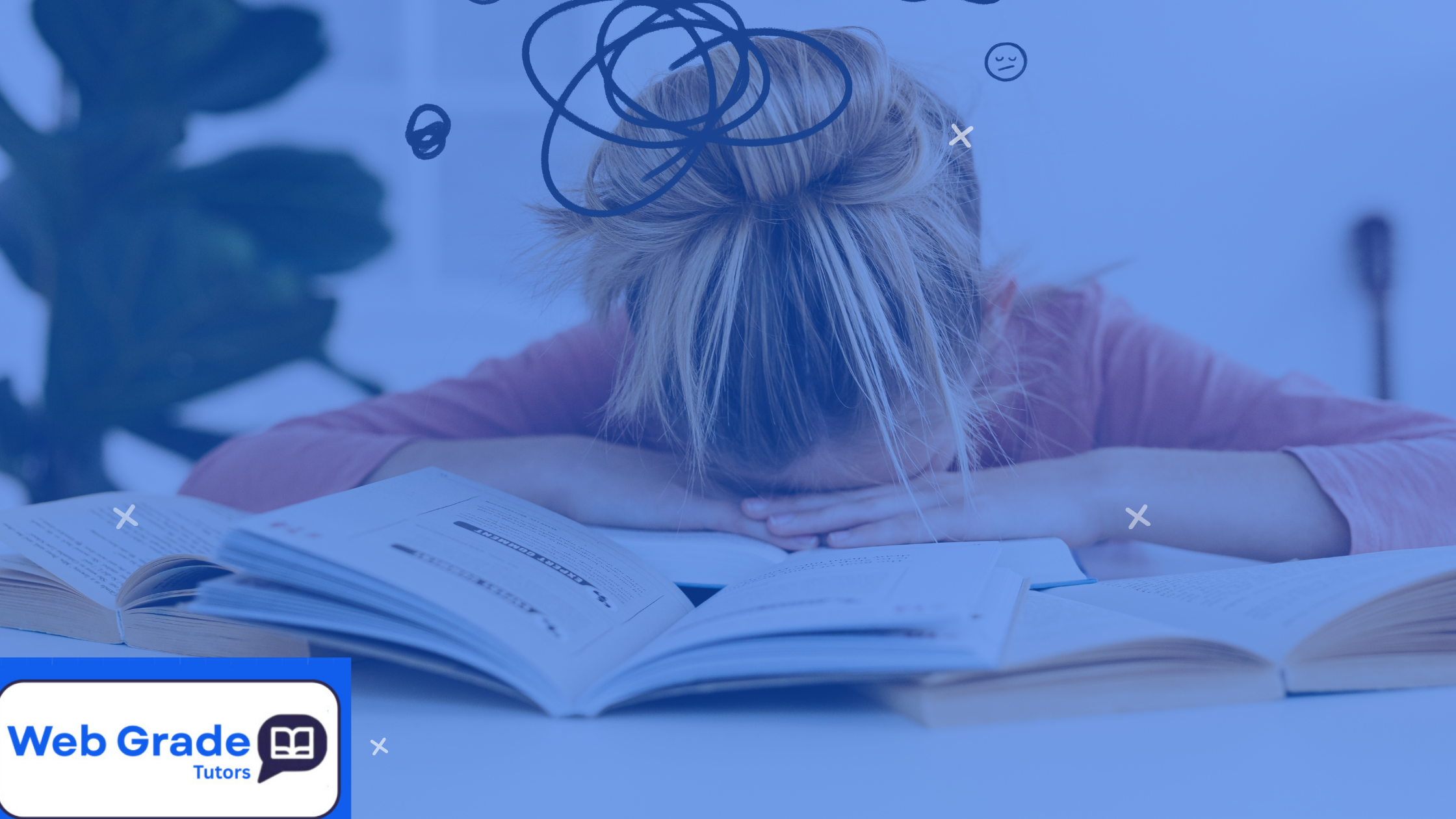
7 Ways to Manage After-School Restraint Collapse in Your Child
The Moment After School Changes Everything
You hear the door open. The backpack drops. And before you can even ask a simple question like “How was your day?”, your child is already overwhelmed—crying, irritated, or completely shut down. Many parents think this is moodiness or behaviour issues, but in reality, it is something very real called After-School Restraint Collapse.
At school, children spend hours controlling their emotions, following rules, sitting still, and managing social pressure. By the time they reach home—their safest space—all that built-up emotional pressure is released at once. This is not misbehaviour; it is emotional exhaustion.
Understanding this pattern is the first step, and research from theAmerican Psychological Association research on child stress and cognitive load explains how emotional fatigue builds up in children during structured school environments. Once parents recognize it, they can shift from reacting with frustration to responding with support. And when academic stress is reduced through structured learning support like WebGrade Tutors, these emotional crashes become significantly easier to manage.
Why After-School Restraint Collapse Happens
After-school emotional breakdowns are not random. They are caused by cognitive overload, emotional suppression, and physical fatigue.
Children spend 6–7 hours:
- Following strict rules
- Managing attention in class
- Controlling emotions around peers
- Completing academic tasks
By the time they return home, their emotional energy is depleted.
This leads to:
- Sudden crying or anger
- Silence or withdrawal
- Small triggers causing big reactions
- Resistance to homework or conversation
This is especially common in students who struggle academically or feel pressured to keep up. Research from the American Psychological Association confirms that sustained emotional regulation reduces cognitive performance over time, especially in children.
What Is Happening in the Brain?
To understand After-School Restraint Collapse, we need to look at how the brain works.
When a child is at school, their brain is constantly using energy to:
- Focus attention
- Suppress impulses
- Follow instructions
- Solve academic problems
This creates what psychologists call cognitive load.
By the time they reach home:
- Blood sugar may be low
- Attention systems are fatigued
- Emotional control systems are “empty”
Even small frustrations (like a snack or homework question) can trigger a meltdown.
This is not a discipline issue—it is a nervous system recovery issue, as explained in cognitive load research published by Harvard Health research on brain attention, cognitive load, and learning fatigue on how attention systems become overloaded during continuous learning.
Why Every Child Reacts Differently
Not all children experience After-School Restraint Collapse in the same way.
1. Logical learners
They may not cry but become withdrawn or quiet.
2. Visual learners
They often get overwhelmed by clutter or noise after school.
3. ADHD or high-energy learners
They may appear hyperactive, then suddenly crash emotionally.
4. Sensitive learners
They may react strongly to small emotional triggers.
Understanding these differences helps parents respond correctly instead of escalating stress.
What Parents Can Actually Do
Here are practical strategies that work immediately:
Step 1: Create a “quiet entry”
Do not ask questions immediately after school. Give space.
Step 2: Provide food first
Low energy increases emotional instability.
Step 3: Avoid screens instantly
No phone or TV for the first 20–30 minutes.
Step 4: Use calming activities
Drawing, soft music, or simple rest helps reset the brain.
Step 5: Delay homework
Let the brain recover before academic pressure starts.
Step 6: Build predictable routine
Children feel safer when transitions are consistent.
How to Track Improvement
Parents can observe improvement by tracking:
- Frequency of meltdowns
- Duration of emotional episodes
- Recovery time after school
- Homework cooperation levels
Within 2–3 weeks of consistent routine changes, most children show noticeable emotional stability improvements.
WebGrade Solution: Reducing Academic Emotional Load
This is where structured academic support from WebGrade Tutors personalized 1-on-1 tutoring becomes important in reducing academic pressure and improving student confidence.
With personalized 1-on-1 learning:
- Students understand topics faster
- Academic frustration decreases
- Confidence increases
- Homework becomes easier
When schoolwork feels manageable, emotional exhaustion reduces significantly.
Parent Support Section: Creating a Calm Home Environment
Parents play a powerful role in recovery after school especially when guided by structured learning systems like WebGrade Tutors’ learning programsdesigned for academic and emotional balance.
A simple home strategy includes:
- No questioning immediately after arrival
- Calm environment (low noise, soft lighting)
- Predictable routine every day
- Emotional validation instead of correction
Example phrase:
“You’ve had a long day. Take your time, I’m here when you’re ready.”
This builds emotional safety, which reduces future collapses.
FAQs
1. Is After-School Restraint Collapse normal?
Yes, it is a common emotional response to school-day exhaustion.
2. How long does it last?
Usually between 15–45 minutes depending on fatigue levels.
3. Does tutoring help?
Yes, reducing academic stress lowers emotional overload.
4. Should I punish my child?
No, punishment increases emotional stress and worsens recovery.
5. Does age matter?
It can happen in both young children and teenagers.
CTA & Closing
After-School Restraint Collapse is not a behaviour problem—it is a recovery signal. When children are supported emotionally and academically, they naturally regain balance, confidence, and focus.
Ready to see the difference? Book a free 60-minute, no-obligation trial lesson with a WebGrade Tutors expert today and help your child excel in After-School Restraint Collapse support.
